Signs Your Commercial Concrete Slab Needs Mudjacking
If your commercial concrete slab shows signs like cracking or sinking, local contractors specializing in mudjacking can assess and restore its stability efficiently.
Property owners in the area often notice changes in their commercial concrete slabs that may signal the need for mudjacking services. Common signs include uneven surfaces, cracks, or noticeable sinking that can pose safety hazards and impact the overall appearance of a property. Recognizing these issues early can help prevent further damage and costly repairs, making it important to understand what to look for in your concrete surfaces.
Local contractors who specialize in concrete slab mudjacking are equipped to assess and address these concerns effectively. If your commercial property shows signs of settling or surface irregularities, exploring mudjacking options can be a practical solution to restore stability and safety. Keep reading to learn more about how to identify these signs and how experienced service providers can help maintain the integrity of your concrete surfaces.
- Commercial parking lots - uneven or cracked concrete slabs can indicate the need for mudjacking to restore stability and prevent further damage, with local contractors assessing the best solution.
- Sidewalks and walkways - settling or sinking sections may pose safety hazards, prompting service providers to evaluate and lift slabs as needed.
- Loading docks - signs of uneven surfaces or cracked concrete can disrupt operations, leading local pros to recommend mudjacking to level the area.
- Storefront entrances - noticeable sloping or cracking in concrete slabs can affect accessibility, with local contractors providing effective mudjacking repairs.
- Industrial concrete pads - subsidence or cracking can compromise structural integrity, making mudjacking services essential for restoring support and safety.
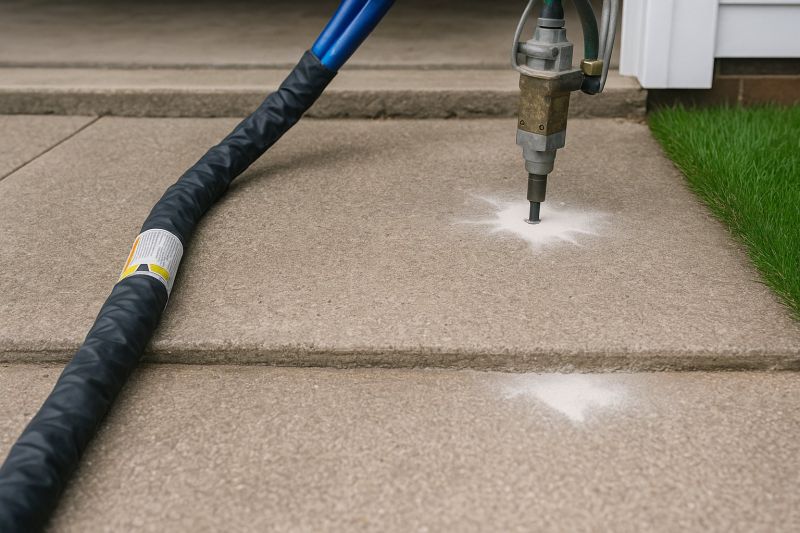
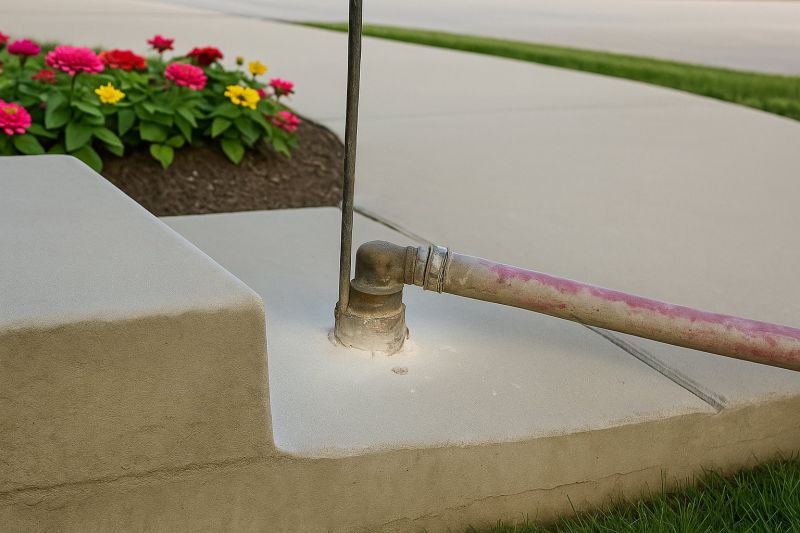
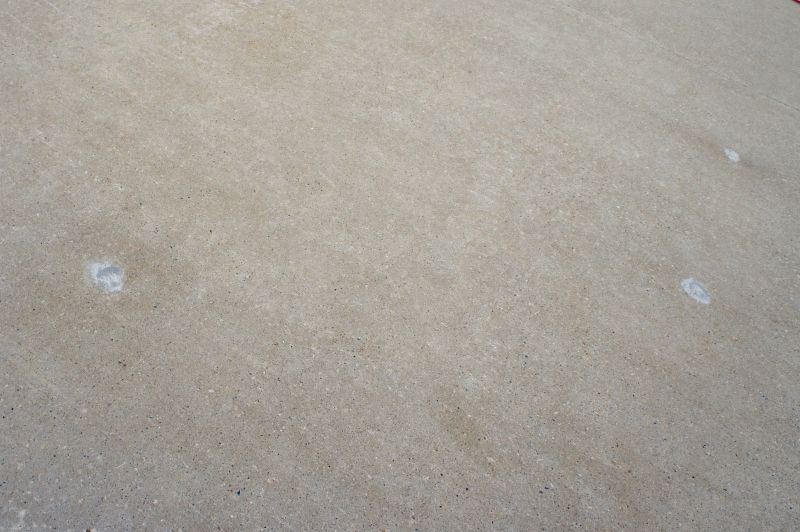
When homeowners or property managers search for signs your commercial concrete slab needs mudjacking, they are often trying to identify issues that could affect safety, functionality, or the appearance of their property. Commercial concrete slabs are commonly found in parking lots, walkways, loading docks, and outdoor storage areas. These slabs are expected to provide a stable, level surface that supports foot and vehicle traffic. When problems arise, such as unevenness or cracking, it can lead to safety hazards, increased liability, or disrupted operations. Recognizing early signs of deterioration allows property owners to consider repair options like mudjacking before problems worsen or cause more costly damage.
The types of problems related to uneven or sinking concrete slabs often involve structural shifts or soil settlement beneath the surface. For example, when a concrete slab begins to settle unevenly, it can create tripping hazards or make it difficult for vehicles to navigate smoothly. Cracks that appear in the surface may indicate underlying issues with the soil supporting the slab, often caused by moisture changes, compaction loss, or erosion. These issues are especially relevant for properties with heavy equipment, frequent traffic, or outdoor storage, where a stable, level surface is crucial for safety and efficiency. Property owners searching for signs their concrete needs mudjacking are typically looking for practical solutions that restore the integrity of the slab without the need for complete replacement.
Commercial properties that frequently encounter these signs tend to include retail centers, industrial facilities, warehouses, and office complexes with outdoor concrete areas. Parking lots and drive aisles are common sites where sinking or uneven slabs can develop over time. Additionally, outdoor loading zones and walkways often experience shifting due to weather conditions and soil movement. These properties usually have high traffic volumes, which can accelerate deterioration if issues are not addressed promptly. When signs of sinking or cracking are observed, property owners often seek out local contractors experienced in mudjacking because it offers a minimally invasive way to lift and stabilize the affected slabs, helping to restore safety and usability.
Understanding how local contractors handle mudjacking can help property owners make informed decisions about repairs. Mudjacking involves injecting a specially formulated mixture beneath the concrete slab to lift it back to its original position. This process is effective for addressing problems caused by soil settlement or erosion, which are common causes of sinking slabs. Property owners should recognize that local pros can evaluate the specific condition of their slabs and recommend appropriate solutions. Whether for a parking lot, loading dock, or outdoor walkway, these contractors provide practical, cost-effective services that help maintain the property's safety and appearance. Recognizing the signs that indicate a need for mudjacking ensures property owners can act promptly, preserving the value and functionality of their commercial spaces.
Parking Lot Resurfacing - This project involves leveling and repairing uneven or cracked concrete surfaces, requiring similar skills and tools used in mudjacking to restore stability and safety.
Sidewalk Repair - Fixing cracked or sunken sidewalks involves planning and executing concrete leveling techniques comparable to those used in mudjacking for commercial slabs.
Driveway Restoration - Restoring damaged or uneven driveways calls for precise lifting and filling methods similar to mudjacking to ensure durability and proper alignment.
Foundation Repair - Addressing uneven foundation slabs involves assessing soil conditions and implementing lifting solutions akin to commercial concrete slab mudjacking services.
Concrete Patios and Walkways - Installing or repairing patios and walkways often requires leveling and stabilization skills that overlap with those used in mudjacking projects.
Industrial Floor Leveling - Ensuring flat, stable industrial floors involves specialized concrete lifting techniques similar to those applied in commercial slab mudjacking.
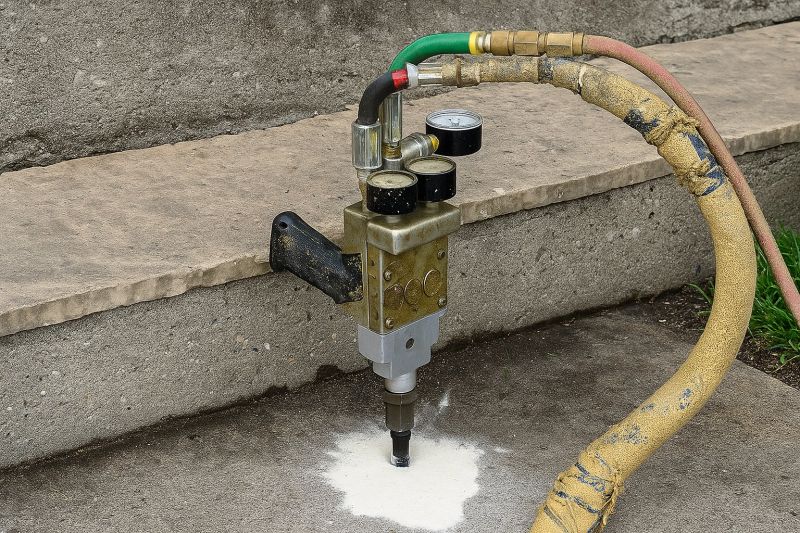
When evaluating contractors for concrete slab mudjacking, it is important to consider their experience with similar projects. Service providers who have worked on commercial slabs that exhibit signs of settling or cracking are more likely to understand the nuances of the job and deliver effective solutions. Asking about their previous work in commercial settings can help determine if they have the necessary background to handle the specific challenges associated with larger or complex slabs. An experienced contractor will also be better equipped to identify underlying issues that may influence the success of the mudjacking process, ensuring the repair addresses the root cause of problems like uneven surfaces or visible cracks.
Clear written expectations are essential when comparing local contractors for mudjacking services. A reputable service provider should be able to provide detailed descriptions of the work involved, including preparation steps, the materials used, and the scope of the repair. This transparency helps prevent misunderstandings and ensures that the project aligns with the homeowner’s needs. It is also beneficial to review any written warranties or guarantees offered, as these can provide peace of mind that the contractor stands behind their work and that the repairs will be durable and effective over time.
Good communication and reputable references play a crucial role in selecting the right service provider. Local contractors who are responsive, willing to answer questions, and provide clear explanations demonstrate professionalism and a commitment to customer service. Additionally, requesting references from previous clients or checking online reviews can offer insights into the contractor’s reliability and quality of work. Reliable references and positive feedback from past projects involving commercial slabs can help homeowners feel confident that the contractor understands the importance of quality work and will handle the job with care and expertise.
Property owners often search for signs your commercial concrete slab needs mudjacking when they are planning practical projects around their homes and businesses. Local pros provide Concrete Slab Mudjacking services for everyday jobs and straightforward project options.
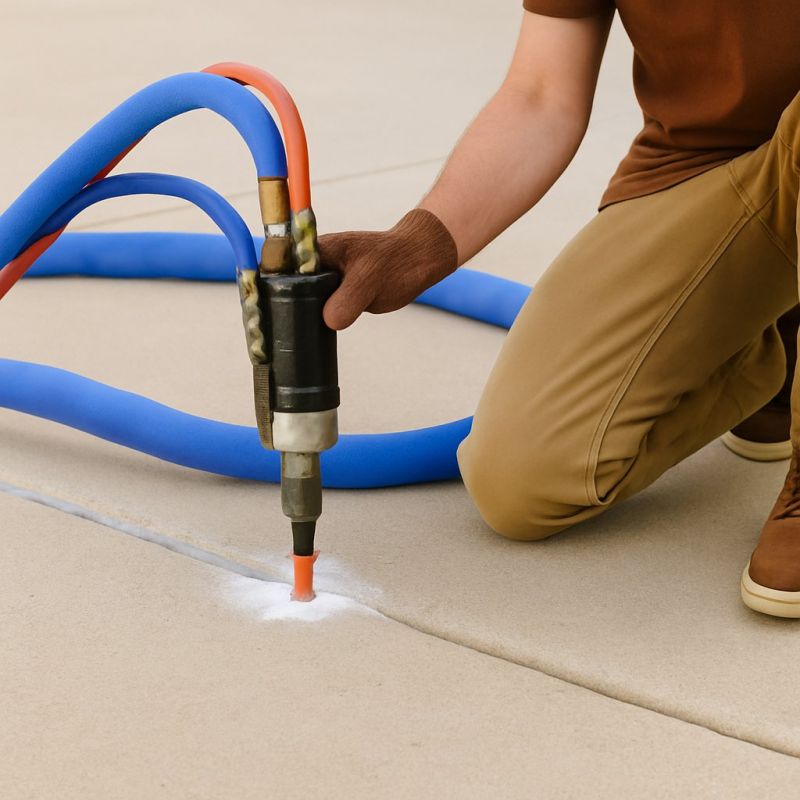
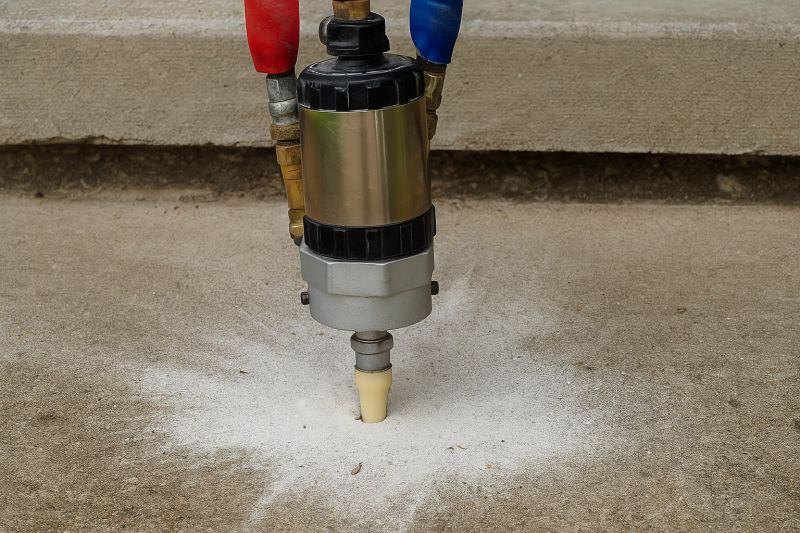
Property owners in the area often notice uneven or sunken sections in their commercial concrete slabs, especially in high-traffic or loading zones. Cracks that appear suddenly or seem to grow over time can also be a sign that the slab is shifting or settling improperly. These issues not only affect the appearance of the property but can also pose safety hazards for employees and visitors. When such signs are observed, it’s common for property managers or business owners to seek out local contractors who specialize in mudjacking, a cost-effective repair method that can restore stability and levelness to the concrete surface.
Other common indicators include persistent water pooling or drainage problems on the slab, which might suggest underlying settling or voids beneath the surface. If cracks or uneven sections are accompanied by visible gaps or separation from adjacent structures, it may be time to consider mudjacking services. Property owners looking to address these issues often turn to experienced service providers in the area who can evaluate the condition of the concrete and recommend appropriate solutions to prevent further damage or safety concerns.
What are common visual signs that a commercial concrete slab may need mudjacking? Visible cracks, uneven surfaces, or sinking sections can indicate that mudjacking might be necessary to restore the slab's stability.
How can settlement or sinking of a concrete slab affect a commercial property? Settlement can create trip hazards, damage to flooring or equipment, and may compromise the safety and functionality of the space, signaling the need for mudjacking services.
Are there specific indications of underlying soil issues causing slab problems? Excessive cracking, shifting, or noticeable tilting often suggest soil movement or erosion beneath the slab, which local contractors can address with mudjacking.
What role do moisture or weather conditions play in signs that mudjacking is needed? Water pooling, erosion, or frequent freeze-thaw cycles can weaken the soil supporting the slab, leading to settling that local service providers can correct through mudjacking.
When should property owners consider professional assessment for potential mudjacking? If there are persistent or worsening unevenness, cracks, or sinking areas on a commercial concrete slab, consulting local contractors can help determine if mudjacking is appropriate.
Uneven surface - If the concrete slab shows noticeable height differences or tilts, local contractors can evaluate if mudjacking is needed to restore stability.
Cracks or holes - Visible cracks or holes in the slab may indicate settlement issues that mudjacking can help address to prevent further damage.
Doors or windows sticking - When doors or windows no longer open smoothly due to shifting slabs, service providers can assess if mudjacking is appropriate.
Pooling water - Water pooling or poor drainage on the slab surface can signal underlying settling that local contractors can correct through mudjacking.
If you are thinking about signs your commercial concrete slab needs mudjacking for a property, this guide is meant to help you understand this topic, the typical project types, and how different options might fit your plans.
When you are ready, you can use the quote form on this page to share a few details about your project. From there, local pros can review the basics and follow up with options that match what you have in mind.